
Gutter Replacement in Indianapolis for Reliable Drainage
Replace gutters that leak, sag, overflow, separate from the roofline, or no longer move water effectively. Indianapolis Gutter Cleaners provides gutter replacement and installation for residential properties throughout Indianapolis and the greater area.
Our Gutter Replacement Process
Discover how our expert team evaluates your current gutters, provides a detailed assessment, and customizes a replacement plan tailored to your home’s unique drainage requirements.


Step One: Comprehensive Gutter Assessment
We begin by thoroughly inspecting your existing gutter system to identify leaks, sagging, and overflow issues, ensuring a precise diagnosis of your needs.

Step Two: Personalized Replacement Planning
Next, we design a customized gutter solution using high-quality materials that guarantee optimal water management and durability.

Final Step: Professional Gutter Installation
Our skilled technicians install your new gutters efficiently, ensuring seamless performance and long-lasting protection for your property.
Our Coverage Areas and Service Locations
Explore the primary regions where we expertly deliver gutter replacement and installation services, showcasing our commitment and professional reach.
Indianapolis Central
Offering full-service gutter solutions designed to protect and enhance your home’s drainage system.
Fishers
Focused on delivering top-notch gutter evaluations and customized replacements for lasting water management.

Carmel
Providing tailored gutter installation and replacement services to suit the unique needs of your property.
Replace Gutters That No Longer Protect the Property
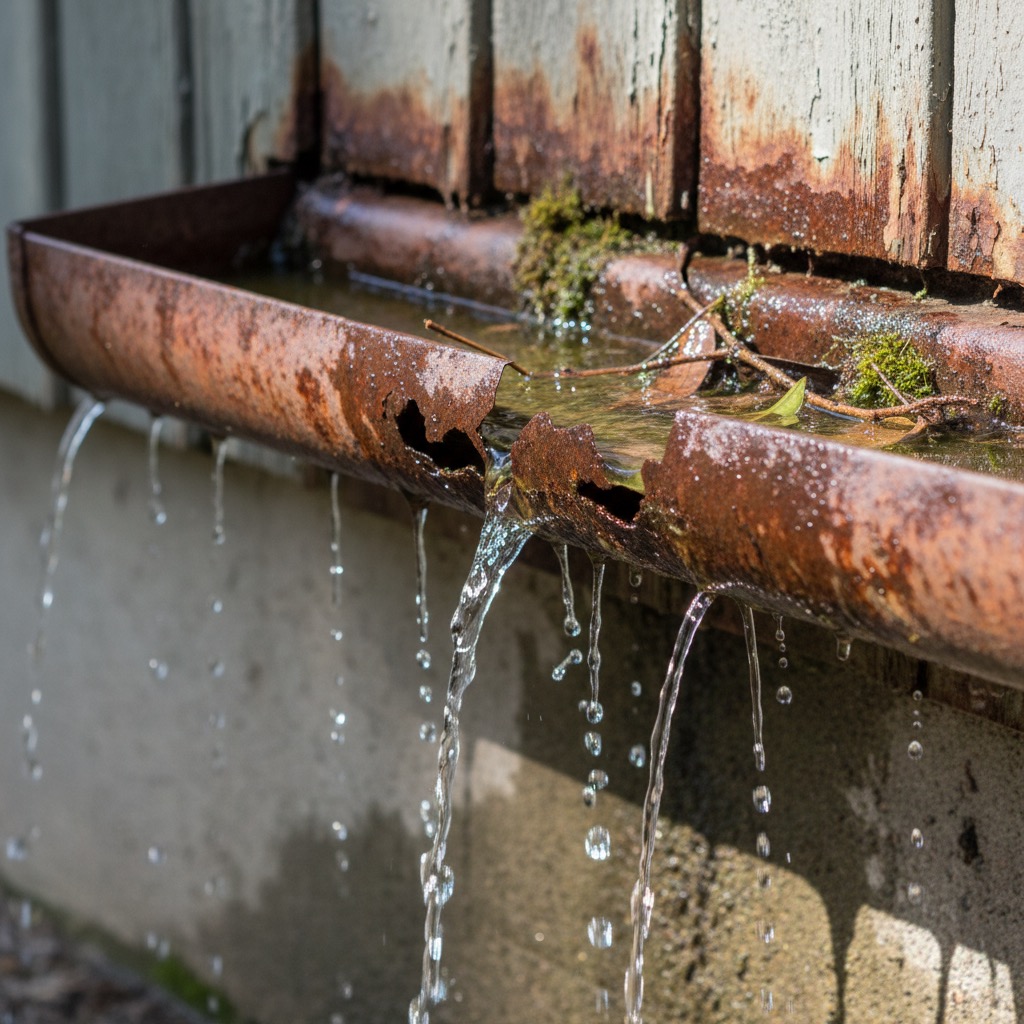
Gutters collect runoff from the roof and direct it toward downspouts and appropriate discharge areas. When the system is damaged, deteriorated, undersized, improperly pitched, or poorly configured, water may no longer move away from the building effectively.
Failing to replace gutters may contribute to:
- Water overflowing during rainfall
- Leaks at seams, joints, outlets, or end caps
- Sagging gutter sections
- Gutters pulling away from the fascia
- Standing water inside gutter channels
- Rust, corrosion, cracks, or holes
- Peeling paint or damaged gutter finishes
- Loose or missing fasteners
- Bent, disconnected, or damaged downspouts
- Water collecting near the building
- Soil and landscape erosion
- Staining on siding, brick, fascia, or soffits
- Recurring drainage problems despite cleaning or minor repairs
Gutter replacement does not resolve every roof, basement, foundation, grading, or underground drainage problem. It addresses the visible roof-drainage system and should be coordinated with other qualified professionals when separate issues are present.
Signs You May Need Gutter Replacement
A single loose hanger or leaking end cap may be repairable. Replacement becomes more likely when deterioration or poor performance affects a substantial portion of the system.
Common replacement indicators include:
- Multiple leaks across different gutter sections
- Extensive rust or corrosion
- Cracks, holes, or split seams
- Persistent sagging
- Sections separating from the roofline
- Improper slope that leaves standing water
- Repeated overflow after cleaning and basic corrections
- Gutters that appear too small for the roof or runoff volume
- Widespread storm, tree, or impact damage
- Deteriorated fascia or attachment areas
- Frequent repairs that no longer provide lasting value
- An aging system with widespread wear
- Downspouts that are damaged, poorly placed, or insufficient for the gutter layout
- An existing configuration that does not manage concentrated runoff from valleys or complex roof sections
The right recommendation depends on an inspection of the actual gutters, downspouts, roofline, and visible attachment surfaces. Age alone does not determine whether a system must be replaced.
Start Your Gutter Replacement Journey with Us Today
Discover how our expert gutter replacement services protect your home by preventing leaks and water damage. Get a personalized assessment and transparent estimate to make an informed decision.

Gutter Repair Versus Gutter Replacement
An honest Indianapolis gutter replacement company should not recommend replacing the entire system when a focused repair would reasonably address the problem.
When Gutter Repair May Be Appropriate
Repair may provide sufficient value when:
- Water flows correctly after cleaning and adjustment
- Damage is limited to one small section
- A few hangers or fasteners are loose
- One joint or end cap is leaking
- A downspout connection needs correction
- A short section has been damaged
- Most gutters remain structurally sound
- The system is appropriately sized and configured
When Gutter Replacement May Be More Appropriate
Replacement may offer better long-term value when:
- The cost and extent of repairs approach the value of replacing the system
- Problems affect multiple gutter sections
- Corrosion, splitting, or sagging is widespread
- Gutters repeatedly pull away from the fascia
- The system is improperly sized or configured
- Repairs have become frequent
- Water continues to overflow after cleaning and reasonable corrections
- Multiple seams or joints are failing
- Downspout placement does not adequately serve the roofline
- The existing system cannot be integrated effectively with planned roofing or exterior work
Gutter Replacement Tailored to Your Property
A replacement gutter system should match the roof, building, runoff patterns, and drainage layout. Installing the same gutter profile and downspout configuration on every property may leave important drainage problems unaddressed.
We evaluate applicable factors such as:
- Roof size and pitch
- Roofline complexity
- Valleys and concentrated runoff areas
- Expected rainwater volume
- Total gutter length
- Number of stories
- Visible fascia condition
- Number and placement of downspouts
- Appropriate discharge locations
- Mature tree coverage
- Property and roofline access
- Residential or commercial use
- Architectural style
- Existing overflow or drainage concerns
- Maintenance preferences
- Planned roof, fascia, siding, or exterior projects
Not every property needs oversized gutters, the same material, or the same number of downspouts. The proposed system should reflect the building’s actual drainage requirements. One: Comprehensive Gutter Assessment
Residential Gutter Replacement in Indianapolis
We replace gutters on several residential property types, which may include:

- Single-family homes
- Townhomes
- Duplexes
- Rental homes
- Multifamily properties
- Historic homes
- Newer residential construction
Residential gutter replacement may be appropriate when the current system repeatedly leaks, overflows, sags, separates, or no longer fits the roof and drainage layout.
A properly configured gutter replacement system can provide:
- More dependable collection of roof runoff
- Better control of water during rainfall
- Fewer leaks from deteriorated gutter sections
- Reduced sagging and separation
- Improved exterior appearance
- Less dependence on repeated repairs
- Better alignment with roofing, fascia, siding, or exterior improvements
- Downspouts positioned toward appropriate visible discharge areas
New gutters cannot guarantee protection from every roof leak, wet basement, foundation concern, or grading problem. They provide one important part of the property’s overall drainage system.
Learn more about our residential gutter replacement in Indianapolis.
Our Gutter Replacement Process
The exact process depends on the property and agreed scope. A typical project may include the following steps.
1. Discuss Your Gutter Concerns
We ask about leaks, overflow, sagging, recurring repairs, drainage problems, planned exterior work, and the outcome you want from the replacement.
2. Inspect the Visible Gutter System
We review accessible gutters, seams, outlets, fasteners, hangers, downspouts, and visible drainage areas.
3. Evaluate the Roofline and Attachment Surfaces
We consider the roof design, concentrated runoff areas, visible fascia condition, gutter attachment points, and downspout layout.
This is a gutter-system evaluation, not a structural engineering, roofing, foundation, or concealed-damage inspection.
4. Identify Failing or Improperly Configured Sections
We document visible sagging, separation, corrosion, holes, poor slope, damaged components, standing water, and recurring problem areas.
5. Compare Repair and Replacement Options
When repair may be reasonable, we explain that option. When replacement offers better value, we explain the conditions supporting that recommendation.
6. Measure the Property
We measure applicable roofline sections and determine required gutter, downspout, corner, outlet, end-cap, and accessory quantities.
7. Review Available System Options
We present the available options for materials, profiles, sizes, colors, downspouts, guards and other accessories.
8. Provide a Written Estimate
The estimate should define:
- Proposed materials
- Gutter profile and size
- Approximate project scope
- Downspout work
- Removal of existing gutters
- Disposal responsibilities
- Fascia-related work, if any
- Optional upgrades
- Exclusions
- Deposit requirements
- Applicable warranties
- Estimated scheduling process
9. Schedule the Installation
We schedule the project according to timelines, current workload, weather, material availability, access requirements, and property operating needs.
10. Remove the Existing Gutter System
We carefully remove gutter sections and downspouts included in the replacement scope while working around the roof edge, siding, landscaping, and exterior features.
11. Address Visible Attachment Concerns Within Scope
If unforeseen deterioration appears after removal, we explain the condition and obtain approval before completing additional work outside the written scope.
12. Install the New Gutters
We install the agreed gutter system with the planned slope, support, outlets, corners, end caps, and attachment method appropriate to the project scope.
13. Install or Reconnect Downspouts
We place and connect downspouts according to the agreed drainage plan and visible discharge locations.
14. Verify Visible Drainage
When site and weather conditions allow, we review visible water-flow paths and connections.
15. Remove Old Materials and Installation Debris
We remove project debris and old gutter materials as defined in the written estimate. Request that this be included in the initial communication.
16. Review the Completed Work
We review the visible installation, downspout locations, maintenance considerations, and applicable warranty information with the customer.
Indianapolis Weather and Gutter Drainage
Indianapolis and Central Indiana properties experience changing weather conditions that can affect gutter design and maintenance.
Spring and summer thunderstorms may produce concentrated roof runoff. Wind can carry leaves, twigs, seed pods, and other debris onto the roof. Mature trees can create significant seasonal buildup, while roof granules and sediment may collect inside gutter channels over time.
Snow, ice, and repeated freeze-thaw cycles can add weight, expose weak connections, and make existing drainage problems more noticeable.
These conditions may influence:
- Gutter size and capacity
- Number and placement of downspouts
- Outlet size
- Hanger and attachment planning
- Material selection
- Discharge locations
- Cleaning frequency
- Whether gutter guards are appropriate
- Maintenance recommendations
Not every Indianapolis or Marion County property has the same roof area, tree exposure, drainage demands, or winter conditions. The system should be selected for the specific building.
Benefits of Professional Gutter Replacement
A properly planned and installed replacement system can provide:
- More reliable collection of roof runoff
- Improved drainage during rainfall
- Fewer leaks from deteriorated gutter sections
- Reduced sagging and separation
- Properly planned downspout locations
- Better compatibility with the property’s roofline
- Improved exterior appearance
- Less dependence on repeated repairs
- A system configured for the building’s drainage requirements
- Clearer expectations for maintenance and warranty coverage
Gutter replacement does not guarantee that a property will never experience roof leaks, basement water, foundation movement, drainage problems, or storm damage.
Installation Experience and Technical Detail
Gutter replacement requires accurate measurement and careful planning throughout the visible roof-drainage path.
Our applicable installation work includes:
Measuring Rooflines
We measure the sections receiving gutters and account for corners, end points, outlets, downspouts, and roofline transitions.
Selecting Gutter Dimensions
We consider roof area, pitch, concentrated runoff, gutter length, downspout capacity, and system configuration when recommending available sizes.
Evaluating Downspout Placement
Downspouts should serve the gutter runs and direct water toward suitable visible discharge areas. More or larger downspouts may be appropriate in some configurations, but not every property needs the same layout.
Establishing Gutter Pitch
Gutters require an appropriate slope toward outlets while maintaining a visually consistent installation along the roofline.
Securing the System
We attach gutters to suitable visible attachment points using the materials and installation method defined in the project scope.
Accounting for Valleys and Concentrated Runoff
Roof valleys and complex roof sections may deliver higher volumes of water to specific gutter areas. We consider these locations during system planning.
Recognizing Visible Fascia Concerns
We note visible deterioration, separation, or damage that may affect attachment. A visual review does not determine concealed structural conditions.
Planning Discharge Locations
We review where downspouts release water and explain any visible limitations. Underground drainage, grading, and foundation systems require separate assessment unless specifically included.
Protecting Exterior Areas
We plan removal and installation around accessible roofing, siding, windows, landscaping, walkways, and other exterior features.
Removing Existing Materials
Old gutters, downspouts, and project debris are handled according to the written estimate and applicable disposal plan.
Reviewing Completed Drainage Paths
When conditions permit, we inspect visible connections and drainage routes after installation.
Gutter Replacement in Indianapolis Service Scope and Transparency
The written estimate should clearly state what the gutter replacement project includes.
Potentially Included Services
Include only confirmed items:
- Removal of existing gutters
- Removal of existing downspouts
- New gutter materials
- New hangers and fasteners
- Outlets, end caps, corners, and connections
- New downspouts
- Visible drainage extensions
- Minor fascia-related work
- Gutter guards
- Material disposal
- Cleanup
- Water-flow verification
- Workmanship warranty
- Manufacturer warranty documentation
Potential Exclusions
Unless specifically included, gutter replacement may exclude:
- Asbestos or hazardous-material handling
- Roof replacement or repair
- Structural repairs
- Extensive fascia or soffit reconstruction
- Foundation repair
- Basement waterproofing
- Underground drain clearing
- Sewer work
- Grading or landscape drainage
- Tree removal
- Mold remediation
- Electrical work
- Painting
- Siding replacement
Gutter Replacement FAQs
Below are some Frequently Asked Questions about Gutter Replacement in Indianapolis
A repair may be reasonable when damage is limited and most of the system remains structurally sound. Replacement may provide better value when leaks, corrosion, sagging, separation, poor sizing, or drainage problems affect multiple sections. The recommendation should follow an inspection of the actual system.
Cost depends on linear footage, material, gutter size, building height, roofline complexity, downspouts, removal, accessibility, fascia condition, disposal, and optional upgrades. Request a property-specific written estimate rather than relying on a generic price.
There is no universal best material or size. The appropriate system depends on roof area, runoff volume, architecture, maintenance preferences, appearance, budget, and the materials Indianapolis Gutter Cleaners installs.
Neither size is automatically better. The recommendation depends on the roof area, pitch, runoff concentration, gutter length, outlet size, downspout capacity, and available system options.
Project duration depends on the property size, roofline, access, weather, material, removal requirements, fascia conditions, and project scope.
In many cases, gutters can be replaced independently of the roof. The existing roof edge, drip edge, fascia, and attachment conditions must be evaluated. Coordination may be preferable when a roof replacement is already planned.
Downspout replacement may be recommended when existing components are damaged, poorly placed, undersized, incompatible with the new system, or included in the agreed scope.
Complete the estimate form or call 213-531-8155. Provide the property address or ZIP code, property type, number of stories, known gutter problem, preferred contact method, and photographs when available.